

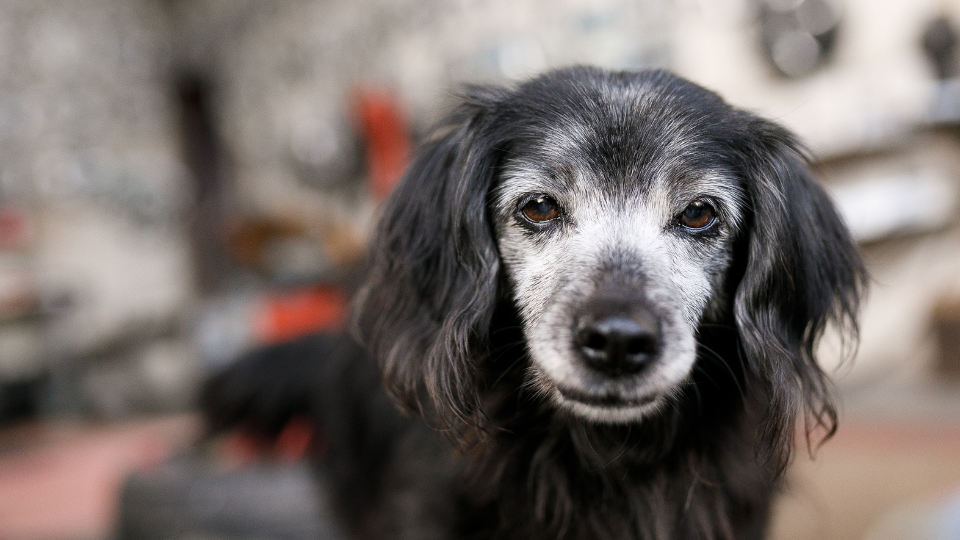
One of the greatest privileges of being a professional groomer is growing older alongside your clients.
The wiggly puppy who couldn’t stand still eventually becomes the dog who walks into your salon with a gray muzzle and a slower gait. They’ve trusted you through every stage of life, and now they need something a little different from you.
While every senior pet is different, one principle should guide every appointment:
Humanity before vanity.
The perfect finish is never more important than the pet’s comfort.
Plan for Success Before the Appointment Begins
A little planning goes a long way when grooming older pets.
Whenever possible, schedule senior pets during quieter times of the day when the salon is less hectic. Ask owners about any recent changes in mobility, medications, vision, hearing, or overall health, and remind them to administer any prescribed medications, such as arthritis medication, before the appointment if directed by their veterinarian.
Older pets often tire more quickly, so keep an eye not only on the overall appointment length, but also on how long they’ve been standing on the grooming table. Offer rest breaks, provide fresh water, and don’t forget potty breaks. A few extra minutes outside is often better than having an accident after the groom.
Support Their Changing Bodies
Arthritis, muscle loss, and reduced mobility are common as pets age.
Use non-slip surfaces in the tub and on the grooming table, lift pets with full-body support, and avoid overextending legs during grooming. If standing becomes difficult, allow the pet to rest or groom portions of the pet while lying comfortably on a padded surface.
Keep in mind that clipper vibration over bony joints can be uncomfortable. In sensitive areas, switching to shears may be a more comfortable option.
Some senior pets may react when painful areas are touched. One common area is around the muzzle due to poor dental health. Rather than assuming they’re being difficult, recognize that they’re communicating discomfort and adjust your handling accordingly.
Expect Changes in Skin and Coat
Aging often brings changes to the skin and coat. Hair may become thinner, softer, or more prone to matting, while lumps, bumps, skin tags, and warts become more common.
Take extra care when brushing or clipping around these areas, as they can nick or bleed more easily than you might expect. In some cases, using a guard comb instead of a short blade can help reduce the risk of injury.
You may also notice changes in coat texture that make a pet more difficult to groom. Sometimes a shorter, easier-to-maintain trim is the kindest option for both the pet and the owner.
Be Mindful of Sensory Changes
Many senior pets experience declining vision or hearing.
Approach them calmly and avoid startling them, especially if they can’t see or hear you coming. Never leave a visually impaired pet unattended on the grooming table, even for a moment.
Use caution with high-velocity dryers around geriatric pets. The noise and stimulation can increase stress and, in seizure-prone pets, may contribute to an episode. Grooming during quieter times and using tools like a Happy Hoodie when appropriate can help reduce noise sensitivity.
Whenever possible, encourage owners to keep their pet with the same groomer. Familiar routines, voices, and even scents can help aging pets feel more secure.
Anxiety and Cognitive Changes Require Patience
Some older pets become more anxious or develop cognitive decline as they age.
These pets may seem confused, vocalize unexpectedly, pace, or struggle with changes to their routine. A calm environment, gentle handling, and minimizing unnecessary interruptions can make a significant difference. Also, always have a hand on the pet for reassurance.
Remember that cognitive decline isn’t stubbornness. The pet may genuinely not understand what is happening. Patience often accomplishes more than restraint.
If a pet appears unusually anxious or confused, communicate your observations with the owner. They may wish to discuss these changes with their veterinarian.
Watch for Other Health Concerns
Senior pets may also have conditions such as diabetes, kidney disease, heart disease, or seizure disorders.
You aren’t expected to diagnose these conditions, but you should understand how they may affect grooming. Watch for changes in the pet’s behavior or energy level during the appointment, provide frequent access to water and potty breaks when needed, and don’t hesitate to stop the groom and contact the owner if something doesn’t seem right.
As with any pet, grooming is also an opportunity to notice changes. New lumps, unusual hair loss, skin changes, or changes in mobility are worth mentioning to the owner so they can follow up with their veterinarian.
Compassion Is Part of Professional Grooming
As pets grow older, grooming becomes less about achieving the perfect trim and more about preserving comfort, hygiene, and quality of life.
By making thoughtful adjustments, communicating openly with owners, and recognizing the changing needs of senior pets, you can help these loyal companions continue to enjoy safe, positive grooming experiences for years to come.
Sometimes the greatest compliment a client can give is “My dog was comfortable.“