

What to Expect During Your First Few Weeks at Paragon
Starting a new career or learning new grooming skills is exciting, but it can also feel overwhelming. One of the most common questions we hear is:
“What will my first few weeks actually look like?”
We’ve designed our programs to help you learn in manageable steps, build confidence, and practice skills as you go. Here’s what you can expect when you enroll.
Expect a Blend of Coursework and Hands-On Practice
Paragon isn’t a program where you spend weeks watching videos before touching a dog.
Instead, you’ll learn a skill, practice it, receive feedback, and then move on to the next skill. We designed the program so that you build each skill set on top of the others.
In Level 1, your first set of lessons includes approximately eight hours of coursework covering:
- Safety
- Handling
- Nail trimming
- Ear care
- Foundational grooming concepts
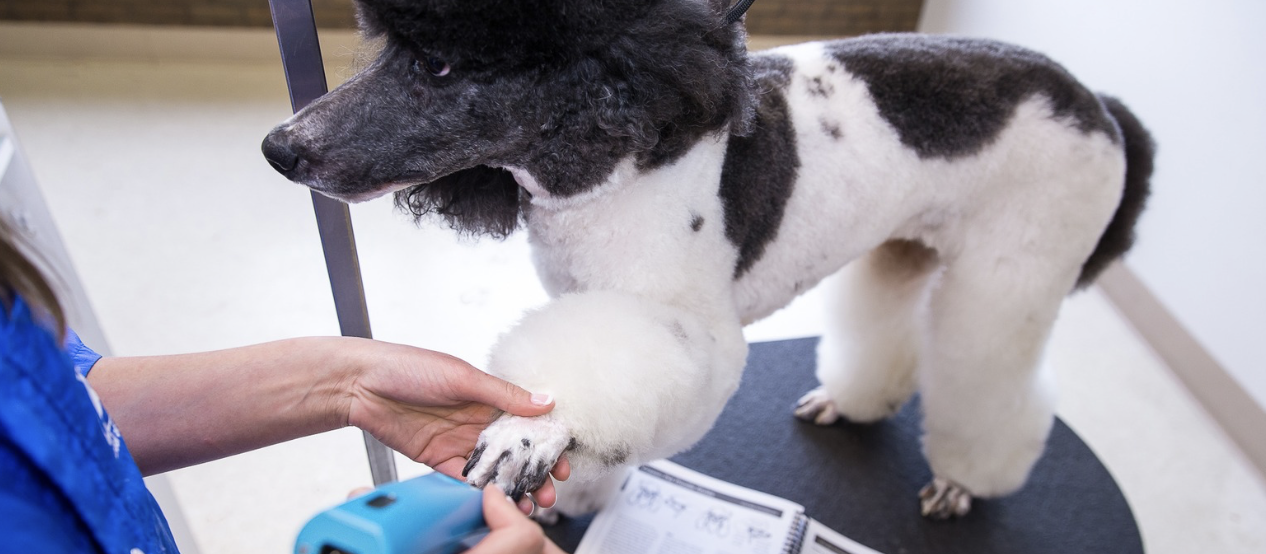
Once completed, you’ll immediately begin practicing those skills on real dogs.
The same pattern continues throughout the program:
- Learn the concepts
- Practice on dogs
- Message your Mentor practice photos for feedback
- Apply the feedback and continue practicing
- Submit photos of your best work for grading by your Mentor
- Build upon those skills in the next lessons
This approach helps create confidence and muscle memory while keeping students engaged and progressing.
Your Mentor Is With You From Day One
Every student is paired with a Paragon Mentor. Our Mentors are industry professionals ready to guide you through the learning journey.
On your first day, you’ll introduce yourself, learn how photo submissions work, and begin building a relationship with someone who will mentor you throughout your program.
Your Mentor will:
- Send weekly check-ins
- Review your photo submissions
- Offer personalized feedback
- Answer questions when you’re stuck
- Provide additional resources
You are highly encouraged to send practice photos before submitting assignments for grading so you can receive additional guidance and confidence along the way.
Practice Is Just As Important As Coursework
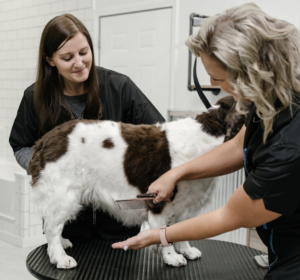
Learning to groom is a hands-on skill.
The coursework provides the knowledge, but repetition builds confidence, speed, and muscle memory.
Level 1 students are encouraged to work with many different coat types and aim for 5–20 bath services each week after completing their first lessons.
Level 2 students continue building that stamina, working toward completing multiple full grooms each day they are scheduled to groom while expanding their technical skills.
The more dogs you work on, the faster your confidence grows.
Flexible Scheduling
If you read the “Practice Is Just As Important As Coursework” section above, you may be thinking, “That sounds great, but I have a full-time job, a family, and I don’t work in a salon. How will I complete multiple baths or full grooms a day?”
We’re so glad you asked!
You have four months to complete the level you are enrolled in. If you can commit time each week to coursework and hands-on practice, you’ll be able to complete your program within that timeframe.
If you’re ready to enroll but aren’t sure how to schedule your coursework and practice time, book a call with us. We’re happy to help.
You Will Learn on Real Dogs
Our programs are designed to fit into real salons, real schedules, and real careers.
Students practice on family pets, client dogs, rescue dogs, friends’ dogs, and dogs from their local communities. Many students build a loyal client base while they are still completing their education.
You aren’t waiting until graduation to gain experience because you’re building it from the very beginning.
Photo Submissions
Your practical assignments require before-and-after photos and detailed notes about the services you performed.
If your Mentor feels additional practice would benefit you, you’ll receive feedback and another opportunity to improve.
Sending practice photos to your Mentor will help you prepare for your practical assignments. The goal is to demonstrate a solid understanding of each skill so you can confidently apply it and continue building upon it throughout your career.
Start Building Your Practice Dog Network Early
If you know you’re enrolling soon, start spreading the word now.
One of the best things you can do before your first day is begin building a list of family, friends, neighbors, and future clients who are willing to support your training journey.
Practice dogs can come from many places, including:
- Family and friends
- Neighbors and coworkers
- Veterinary clinics
- Dog trainers and training clubs
- Local shelters and rescues
- Kennels and dog daycare facilities
- Breed clubs and 4-H groups
- Social media community pages
The more dogs and coat types you can work with, the faster you’ll build confidence, muscle memory, and real-world experience.
Our advice? Don’t wait until an assignment is due to start looking for dogs. Begin building your network before your enrollment starts and continue scheduling throughout your entire program.
Many successful students already have their first few practice appointments lined up before they complete their first lesson.
Plan Ahead for Success
The students who progress most smoothly do a few simple things:
- Schedule practice dogs in advance
- Set aside dedicated coursework time each week
- Respond to their Mentor’s messages
- Record skills in their tracking journal as they complete them
- Practice on a variety of breeds and coat types
Learning to groom is a journey, but you don’t have to figure it out alone.
Your Mentor, your curriculum, and your hands-on experience all work together to help you build the confidence and skills needed for a successful grooming career.
And before you know it, you’ll be celebrating your graduation and looking back at just how far you’ve come.