From salon work and mobile grooming to entrepreneurship and specialty services, discover the many career opportunities available after graduating from grooming school.
Completing pet grooming school is an exciting milestone, but graduation is only the beginning of the journey. One of the greatest advantages of pursuing a career in professional pet grooming is the variety of paths available after training. Unlike professions with a single, rigid career track, grooming offers flexibility, creativity, and opportunities for long-term growth based on your interests, goals, and lifestyle preferences.
Many aspiring groomers enter school with one vision of their future, only to discover new opportunities as they gain hands-on experience and confidence. Some graduates thrive in the fast-paced environment of a grooming salon, while others are drawn to the flexibility of mobile grooming, the excitement of dog shows, or the independence of business ownership. Many professionals also discover specialized services that allow them to focus on areas they feel especially passionate about.
At Paragon School of Pet Grooming, we believe one of the most exciting parts of entering this profession is the ability to build a career that reflects your unique strengths and ambitions. Whether you want to work directly with pet parents, pursue competitive grooming, or eventually open your own business, professional grooming education can provide the foundation needed to begin building a rewarding future.
Starting Your Career in a Grooming Salon
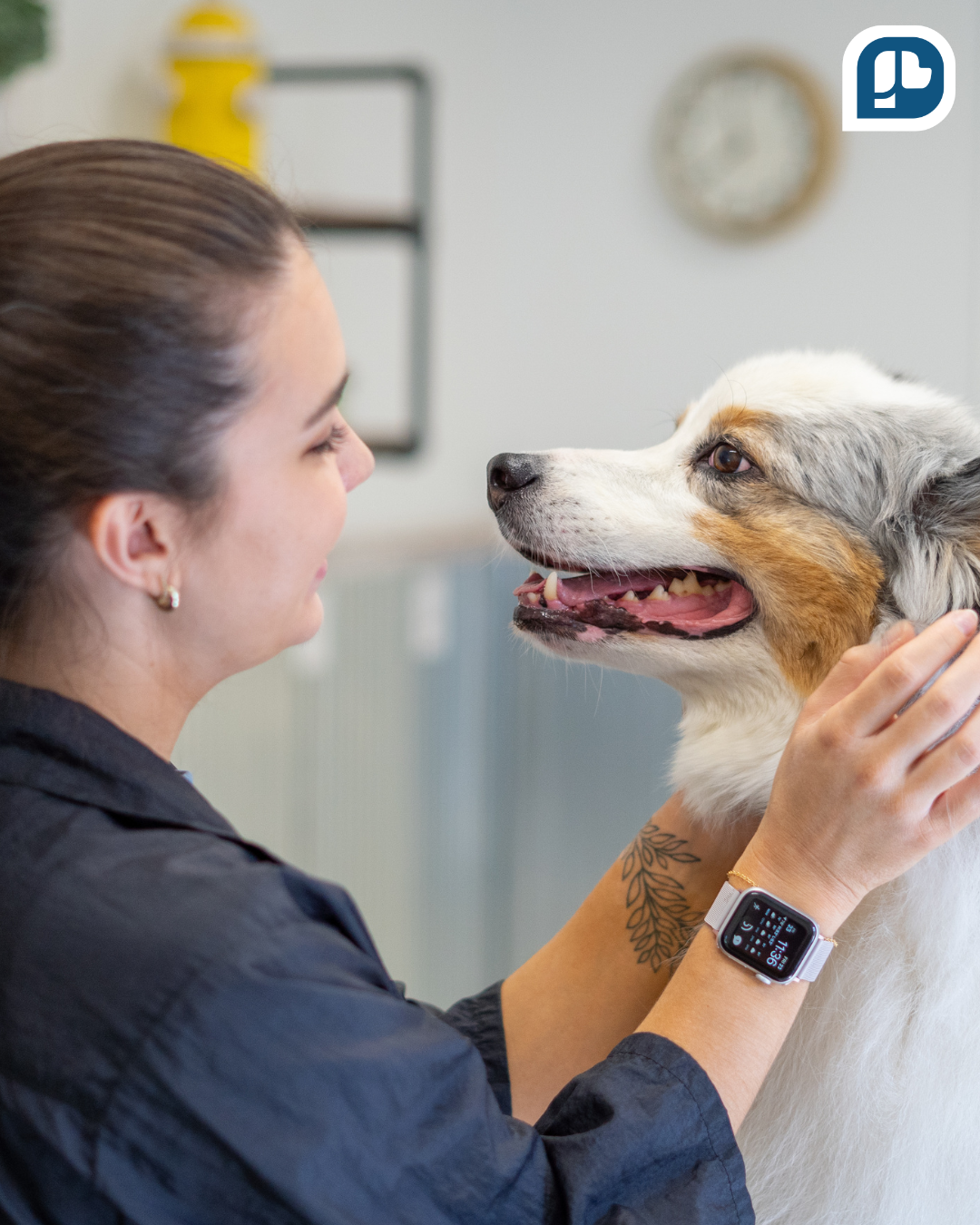
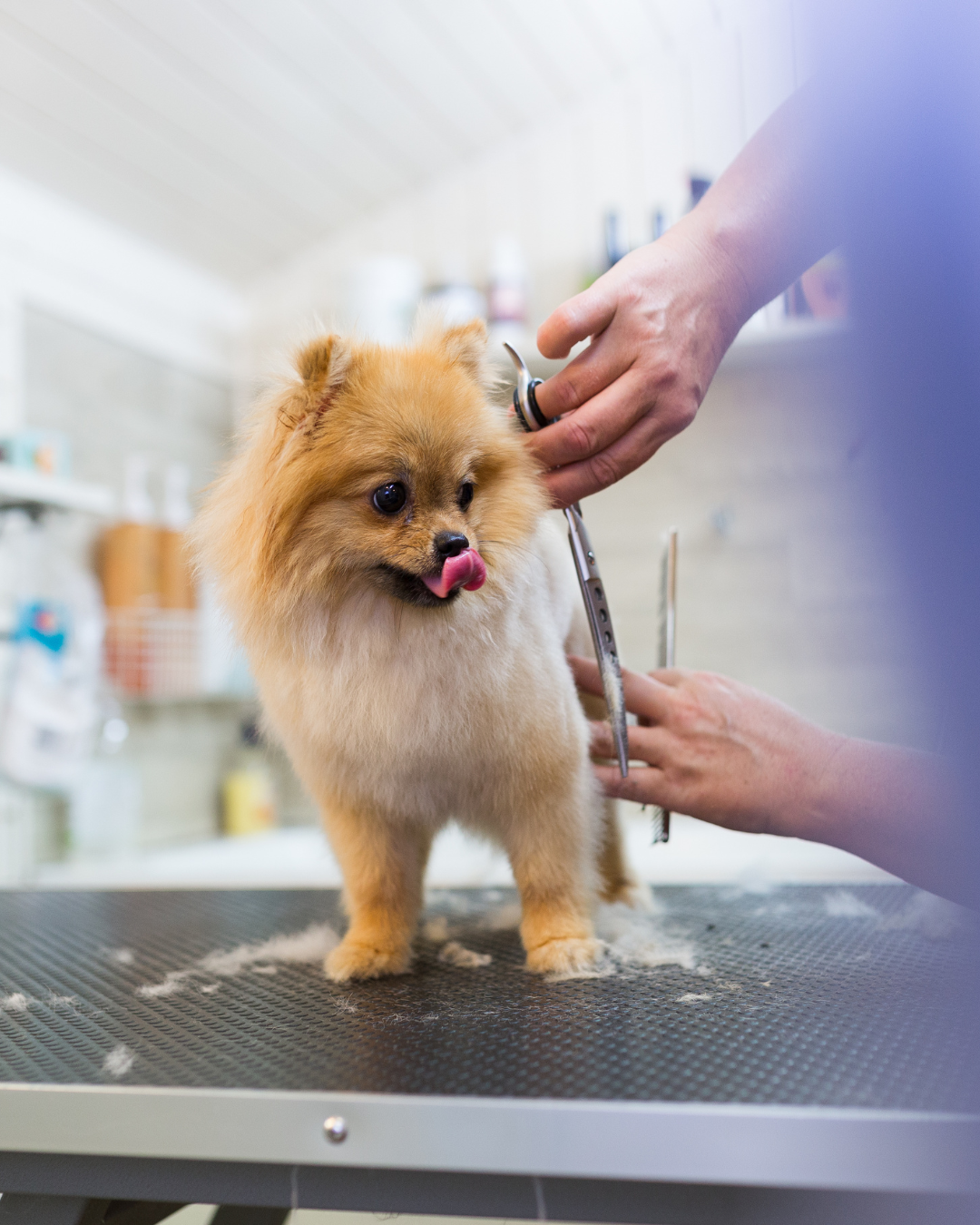
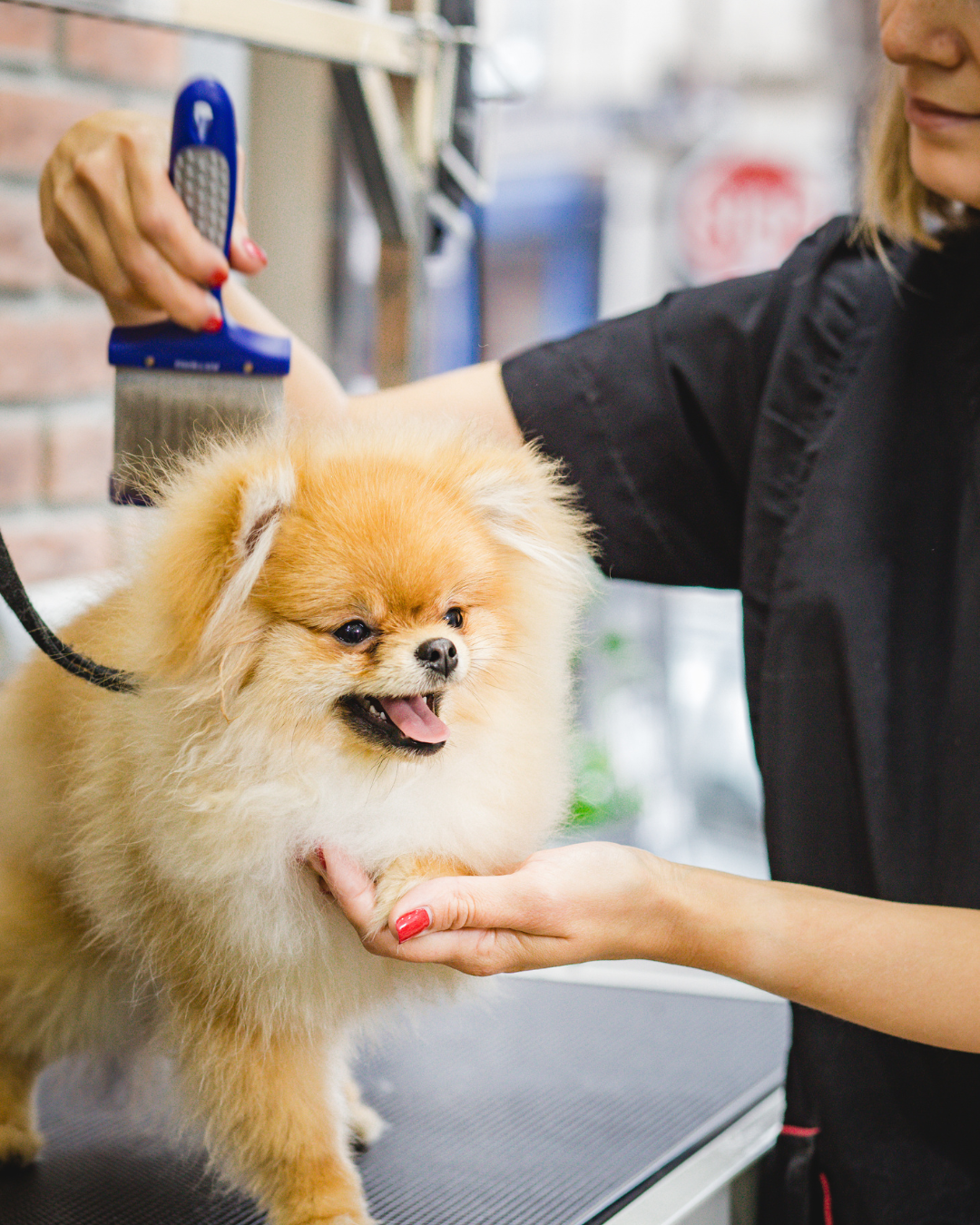
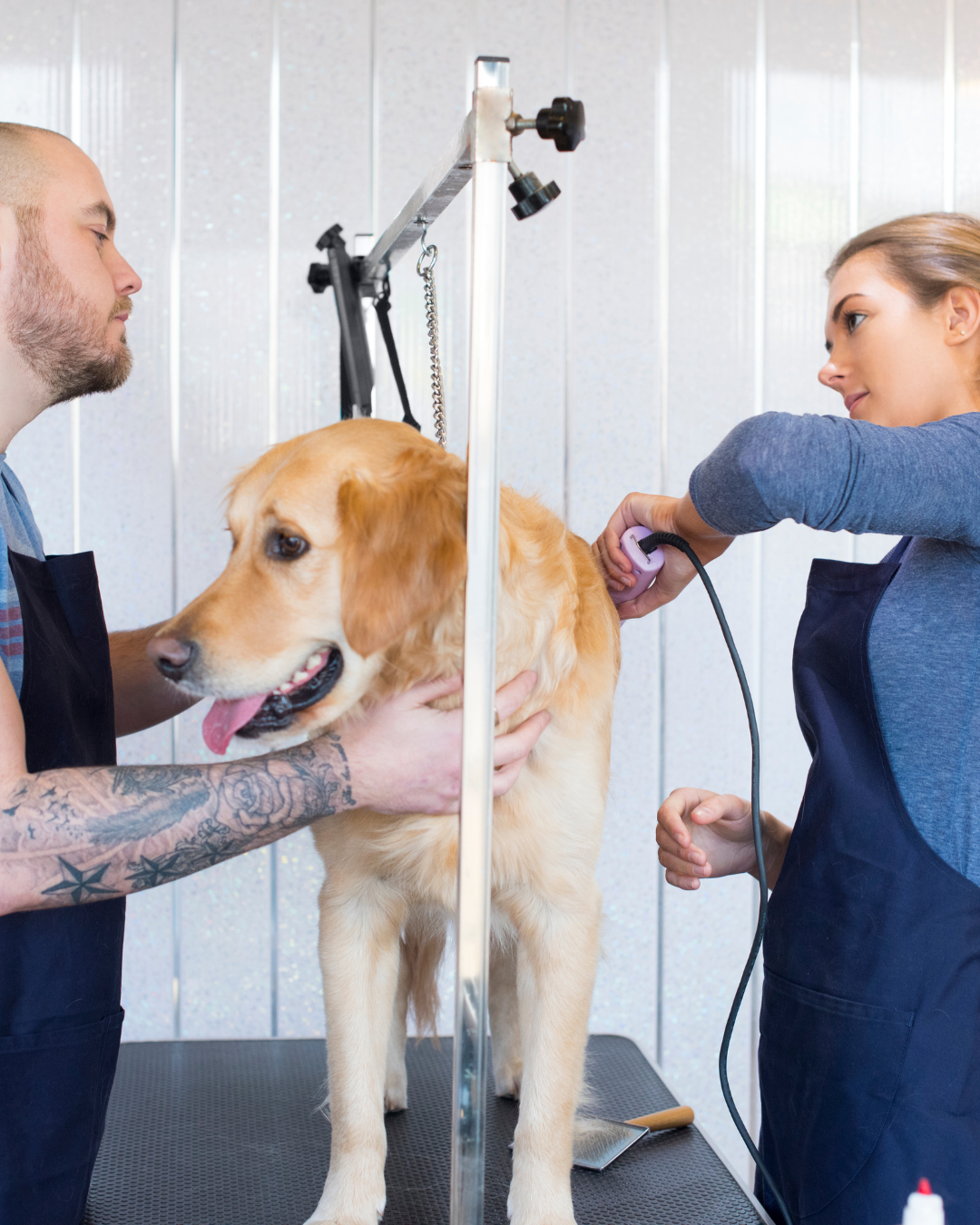
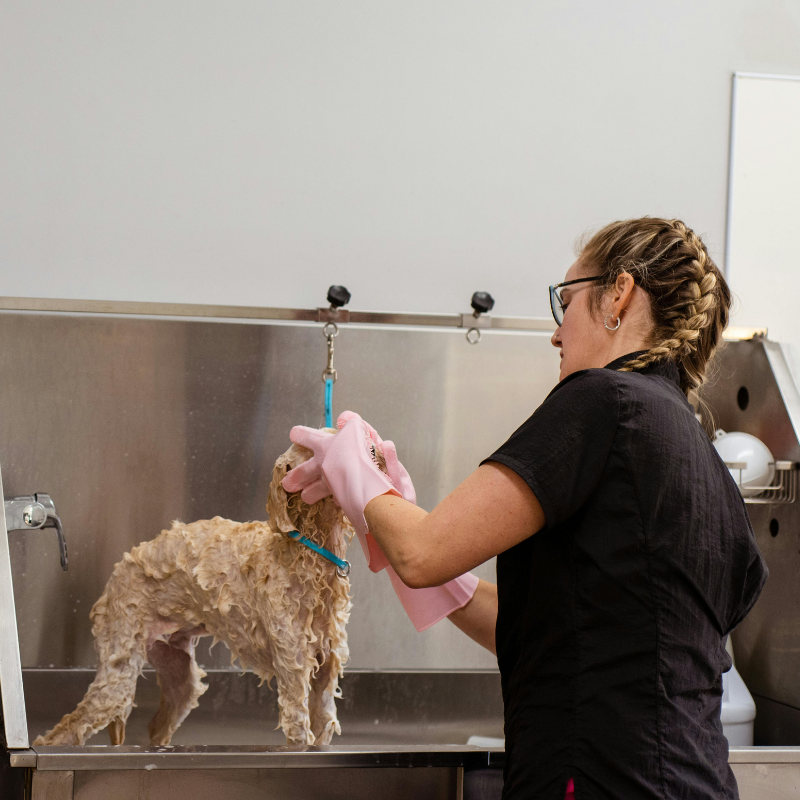 For many new graduates, working in a professional grooming salon is the most common and practical first step after grooming school. Salon environments provide valuable real-world experience, allowing groomers to continue strengthening their technical skills while learning how to manage appointments, communicate with clients, and work efficiently in a professional setting.
Salon grooming often exposes new groomers to a wide variety of breeds, coat types, temperaments, and grooming requests. This variety helps build confidence and versatility, especially during the early stages of a career. New professionals may begin with bathing and prep work before transitioning into full-service grooming as their skills develop.
Working in a salon can also create opportunities for mentorship and continued learning. Experienced groomers often share valuable techniques, efficiency tips, breed-specific styling knowledge, and handling strategies that help newer professionals grow. For many graduates, salon work becomes an important stepping stone that builds confidence and lays the groundwork for future career advancement.
Salon careers can vary widely depending on the environment. Some groomers choose independently owned salons that offer a personalized atmosphere and close client relationships, while others prefer larger grooming businesses that provide steady appointment volume and structured systems.
Mobile Grooming: Flexibility and Personalized Service
Mobile pet grooming has become increasingly popular as pet owners seek convenient, one-on-one grooming experiences for their dogs. Rather than working inside a traditional salon, mobile groomers travel directly to clients in fully equipped grooming vans or trailers.
This career path appeals to groomers who value independence, flexibility, and personalized client relationships. Mobile grooming appointments are often completed one-on-one, creating a quieter and less stimulating environment for pets that may experience anxiety in traditional salon settings.
For groomers, mobile work can offer greater schedule flexibility and increased autonomy. Professionals often have more control over appointment scheduling, service offerings, and daily workflows. Because appointments are individualized, groomers also have opportunities to build strong relationships with repeat clients and provide highly personalized care.
Mobile grooming can be especially rewarding for professionals who enjoy working independently and appreciate the opportunity to create a calmer experience for pets with special needs, senior dogs, or anxious temperaments.
Like any path, mobile grooming comes with unique responsibilities. Groomers must feel comfortable managing equipment, maintaining vehicle organization, coordinating travel schedules, and adapting to different environments throughout the day. However, many professionals find the flexibility and independence well worth the added responsibility.
Entrepreneurship: Building Your Own Grooming Business
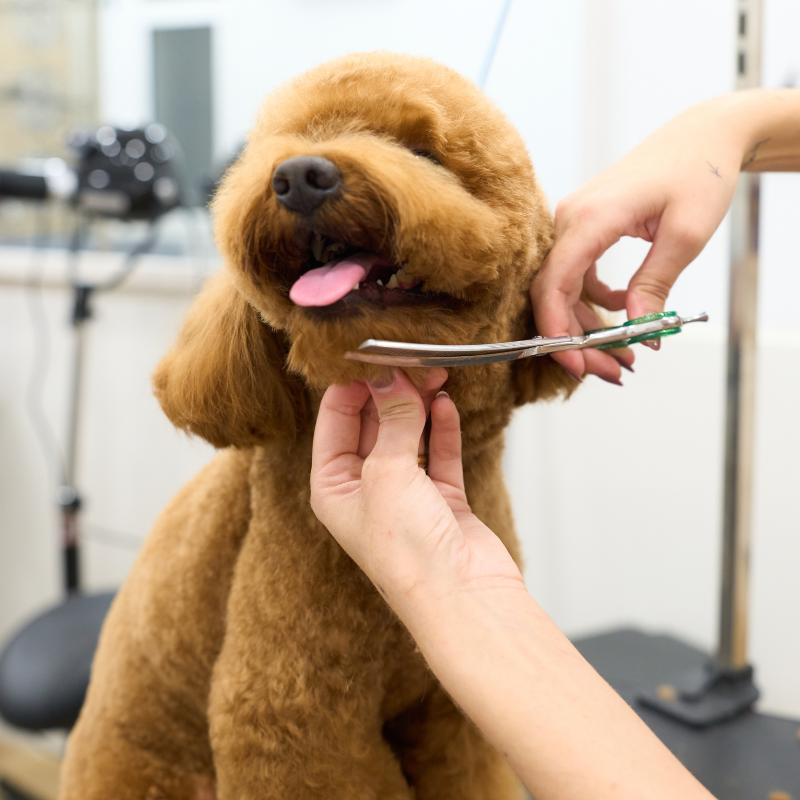 For many groomers, entrepreneurship becomes a long-term career goal. After gaining experience and confidence in the field, some professionals decide to open their own salon, mobile grooming company, home-based business, or specialty pet care service.
Owning a business offers opportunities for independence, creativity, and financial growth while allowing groomers to shape the type of experience they want to provide for pets and their owners.
Entrepreneurial groomers have the ability to create business models that reflect their personal values and interests. Some choose boutique-style salons focused on luxury experiences, while others prioritize convenience, fear-free grooming practices, breed expertise, or wellness-focused care.
Business ownership also allows groomers to establish their own schedules, pricing structures, team culture, and service offerings. For professionals who enjoy leadership, problem-solving, and long-term growth planning, entrepreneurship can become one of the most fulfilling career paths in the grooming industry.
Of course, building a business requires more than technical grooming skills. Entrepreneurs often develop knowledge in customer service, scheduling, marketing, budgeting, operations, and team management. Many successful grooming business owners begin by gaining experience in salons before transitioning into ownership when they feel prepared. For a headstart, visit Build a Better Grooming Buisness Toolbox resources.
At Paragon School of Pet Grooming, we encourage students to view grooming as a profession with room to grow. Whether entrepreneurship is an immediate goal or a future aspiration, building strong technical skills and professional confidence early can help create a stronger foundation for long-term success.
Show Grooming: Working With Competitive Dogs
For groomers with an interest in breed standards, precision styling, and advanced grooming techniques, show grooming offers a unique and highly specialized path.
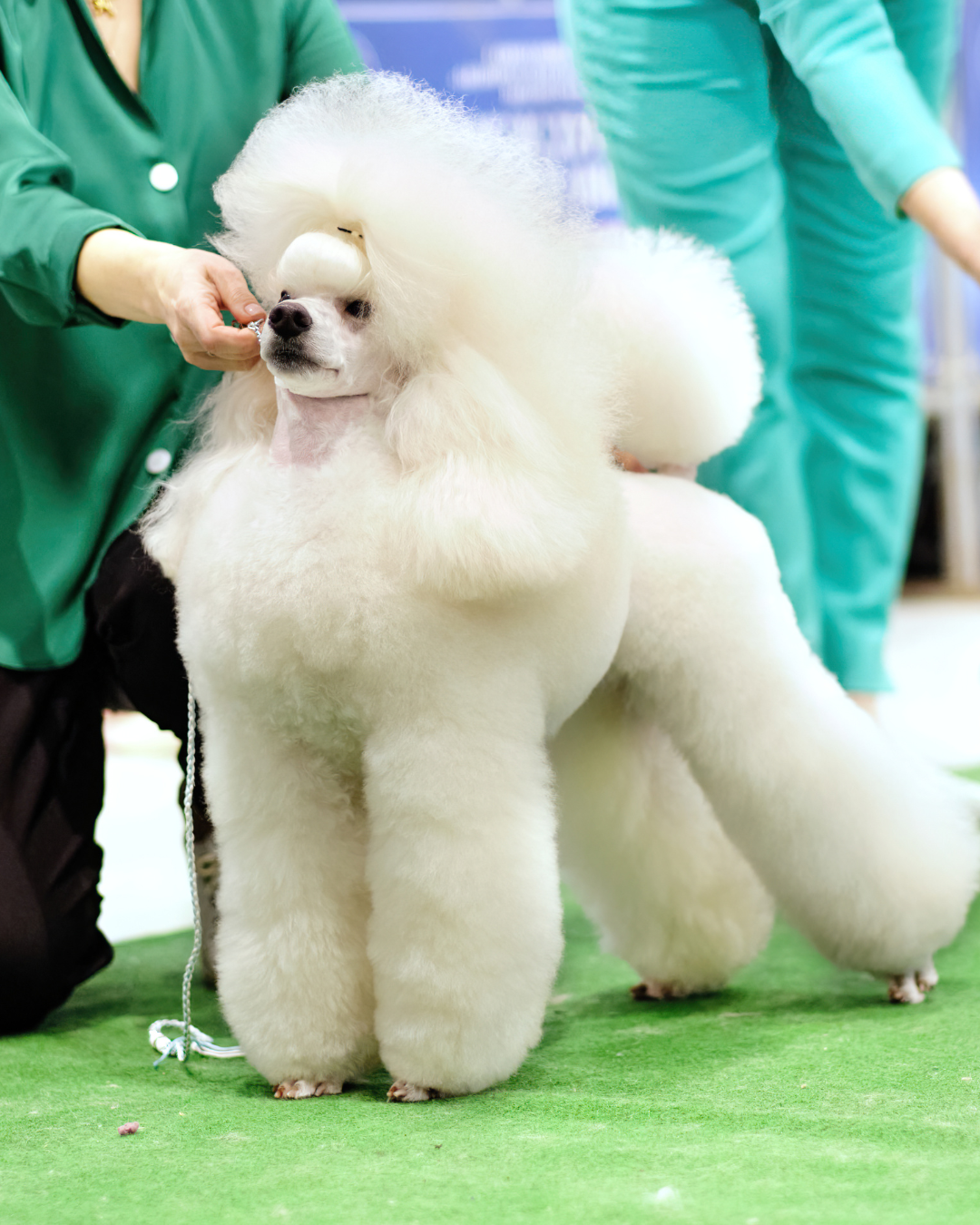
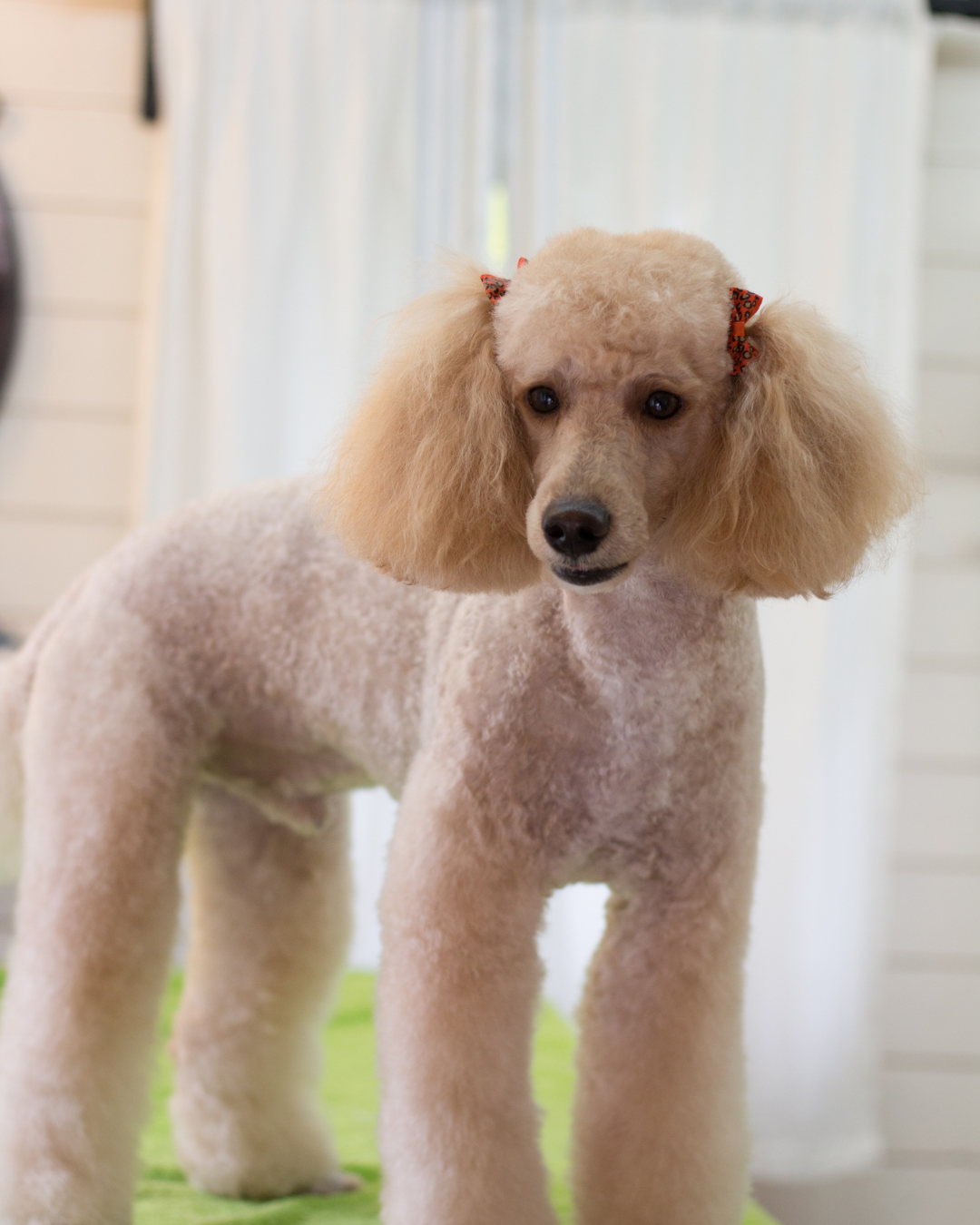
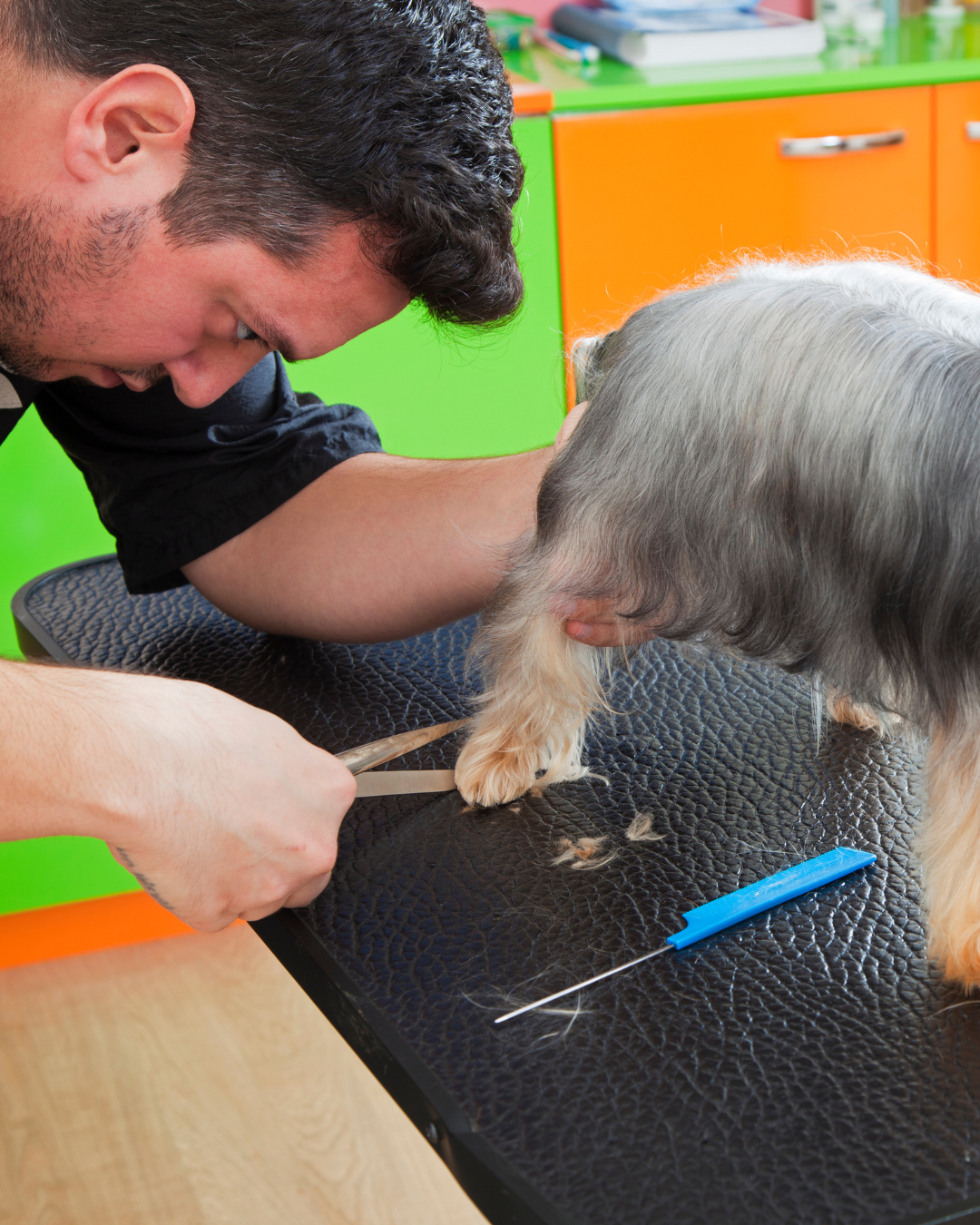
Show groomers work with dogs preparing for conformation competitions and breed events, where appearance and adherence to breed standards are critically important. Grooming for competition often involves detailed preparation, specialized coat care, hand scissoring, hand stripping, advanced finishing work, and an in-depth understanding of breed presentation.
This path appeals to groomers who enjoy precision, artistry, and continual skill development. Show grooming requires patience, discipline, and a willingness to refine techniques over time. Professionals in this space often work closely with breeders, handlers, and competitive dog owners to help dogs look their absolute best before entering the show ring.
Many groomers interested in show work begin by expanding their education through workshops, mentorships, seminars, or breed-specific training opportunities. Some participate in grooming competitions to strengthen technical abilities and build experience with advanced styling methods.
For professionals who enjoy mastering details and challenging themselves creatively, show grooming can become an exciting and rewarding specialization.
Specialty Grooming Services and Niche Career Paths
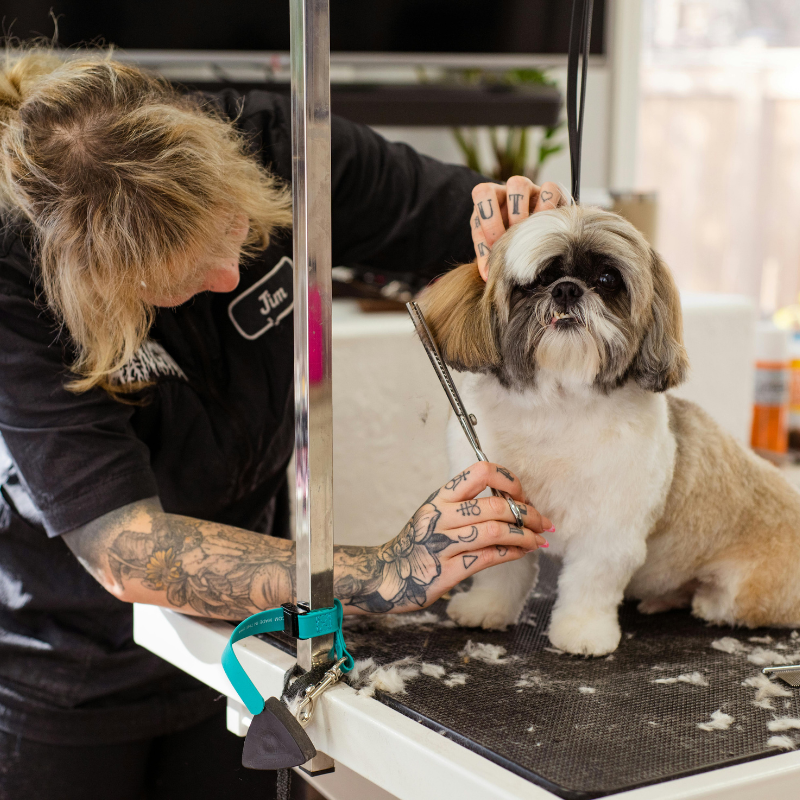 One of the most exciting aspects of the grooming profession is the ability to develop specialty services that align with personal interests and strengths. As groomers gain experience, many discover niche areas that allow them to focus on specific client needs or advanced services.
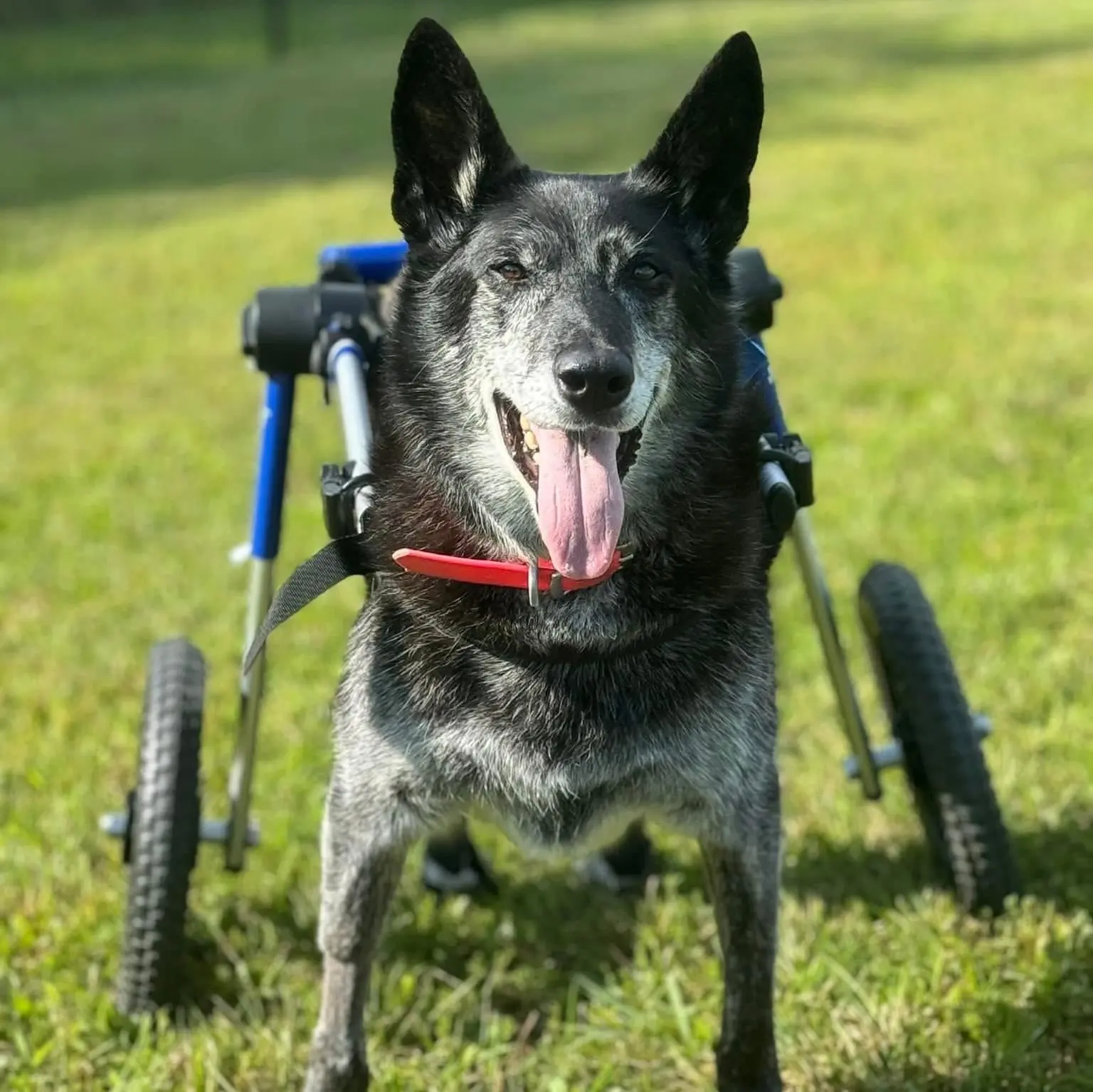
Some groomers specialize in senior pet grooming, providing gentle care tailored to aging dogs with mobility concerns or health challenges. Others focus on puppies, helping young dogs build positive grooming experiences early in life.
Creative grooming has also grown in popularity, allowing groomers to explore artistic coat styling, pet-safe color applications, and unique finishing techniques. Some professionals specialize in difficult coat conditions, de-shedding services, hand stripping, Asian fusion styling, or breed-specific trims.
Fear-free grooming and behavior-focused services have become increasingly important as pet owners seek low-stress experiences for anxious or reactive dogs. Groomers who understand canine behavior and patient handling often build loyal client bases around compassionate care.
These specialty paths allow groomers to shape careers around the services they find most rewarding while continuing to expand their expertise.
Choosing the Career Path That Fits You
One of the most rewarding aspects of professional grooming is that there is no single definition of success. Some groomers thrive in busy salons surrounded by coworkers and regular clients. Others enjoy the independence of mobile grooming or dream of opening their own business. Some are inspired by the precision of competitive grooming, while others feel most fulfilled helping senior dogs or anxious pets feel safe and comfortable.
The path you choose may also change over time. Many professionals begin in salons, later pursue mobile work, eventually open businesses, or explore specialty services as their confidence grows.
The key is building a strong educational foundation that gives you the flexibility to explore different opportunities throughout your career.
Building Your Future With the Right Education
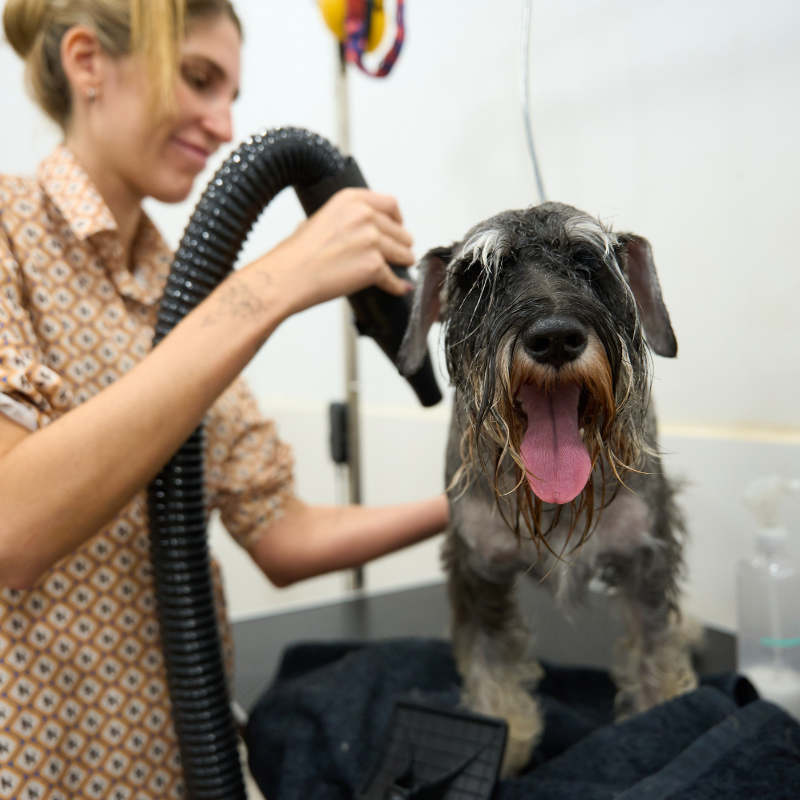 The opportunities available after grooming school are wide-ranging, but success often begins with quality education. Building confidence in pet safety, handling, coat care, grooming techniques, and professional communication helps create a stronger foundation for whatever path you decide to pursue.
At Paragon School of Pet Grooming, students receive mentor-supported education designed to prepare them for real-world opportunities in the grooming industry. Whether your goal is salon work, mobile grooming, entrepreneurship, show grooming, or specialty services, professional training can help equip you with the skills needed to move forward with confidence.
A career in pet grooming offers more than one destination. It offers the opportunity to build a future that reflects your passions, strengths, and professional goals while making a meaningful difference in the lives of pets and the people who love them.

 Pet grooming is a growing field. It’s a career path that typically starts modestly with bathing dogs in a tub and quickly progresses to financial and personal rewards. About 346,000 people work in pet grooming and boarding in the U.S. today, a number projected to rise to roughly 357,000 by the end of 2026. The Bureau of Labor Statistics (BLS) projects 11% growth in animal care roles through 2034.

 What does it take to go from “just a dog groomer” to a true professional? In this episode of