Log InCartCall Now: (616) 667-7297

Blog » client communication

5 Ways Professional Grooming Is Preventive Health Care for Pets

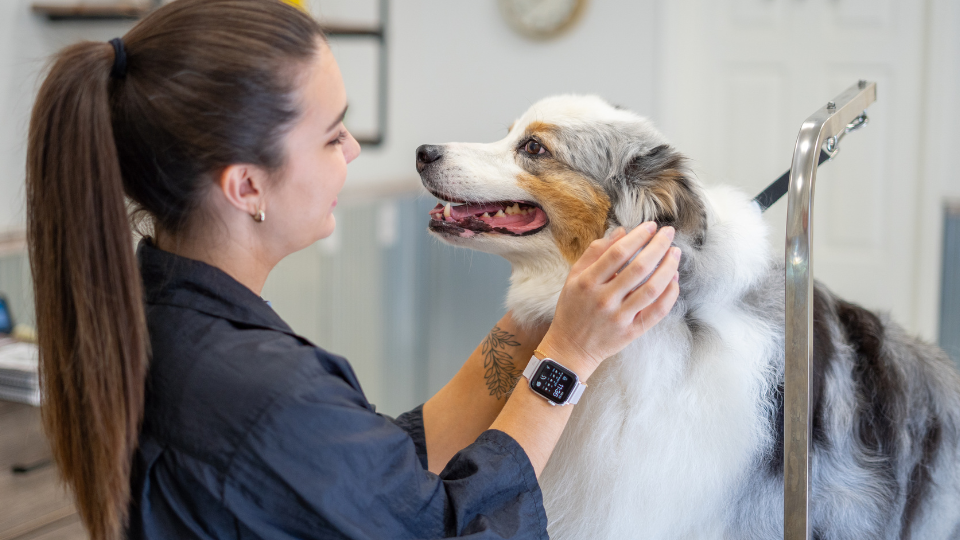
Dog grooming as pet health care depicted by young groomer with an australian shepherd on a grooming table
As professional dog grooming educators, we teach a simple truth: dog grooming is health care you can see. Beyond the pretty finish, consistent, professional grooming supports a pet’s skin, coat, comfort, and overall well-being. When pet parents make grooming part of their routine—just like balanced nutrition, vaccinations, and exercise—they’re practicing responsible pet ownership. You can build your grooming business by educating your customers on the value of professional grooming for preventative health care.

1) Skin & Coat: The First Line of Defense

A pet’s skin and coat protect the body from heat, cold, moisture, allergens, and parasites. Professional groomers:
  • Use species-appropriate products and correct dilution to protect the skin barrier.
  • Remove loose undercoat to improve air flow and reduce hotspots.
  • Eliminate tangles and prevent matting, which can trap moisture, pull at the skin, and hide sores.
  • Dry correctly for coat type, creating a clean, lifted coat that stays healthy longer.

2) Early Detection: A Second Set of Trained Eyes

Regular grooms give your pet a full “hands-on” check. Pros often spot changes early, including:
  • Lumps, bumps, or skin lesions
  • Fleas, ticks, or evidence of mites
  • Ear redness or odor, excessive discharge, or wax buildup
  • Overgrown nails, cracked pads, or interdigital irritation
  • Dental red flags (odor, tartar, gum inflammation)
  • Groomers don’t diagnose—but they do refer. Catching concerns early can lead to faster veterinary care and better outcomes.

3) Ears, Nails, and Paws: Small Details, Big Comfort

  • Nails: Overgrown nails alter posture and gait, stressing joints and ligaments. Regular trims restore natural alignment and comfort.
  • Ears: Proper cleaning (and, where appropriate, trimming around the canal) improves air flow and helps reduce irritation.
  • Paws/Pads: Trimming excess hair improves traction and hygiene; checking pads prevents cracks from going unnoticed.

4) Comfort, Behavior & Bonding

Mats pull at the skin and make movement uncomfortable. Clean, trimmed coats reduce friction and overheating. Routine, low-stress appointments desensitize pets to handling and tools, so visits stay calm and positive. A comfortable dog is a happier family member—and easier to handle for vets and caregivers.

5) How Often Should A Pet Be Groomed?

Frequency depends on coat type, lifestyle, and health:
  • Short/smooth coats: Bath/brush every 6–12 weeks; nails and ear care as needed
  • Double coats (shedding breeds): Every 4–8 weeks, or more – especially during seasonal sheds or in a deshedding program
  • Curly/wool & doodle-type coats: Every 4–6 weeks to prevent matting
  • Silky/drop coats: Every 4–6 weeks to maintain hygiene and shape
Between appointments, pet parents should practice line brushing (share this video Quick Tip!), keep nails trimmed, and perform quick at-home checks.

Share This Line Brushing Video:

Choosing—and Partnering With—a Pro

Pet Parents should look for a certified professional dog groomer (like those who graduate Paragon’s dog groomer training programs) who follows safe handling, uses appropriate products for skin/coat type, and can explain why each step matters. They should share their pet’s history (allergies, sensitivities, mobility issues), and set a regular schedule. Consistency builds trust, maintains the coat, and keeps costs predictable.

Responsible Pet Owner Checklist

✅ Put grooming on the calendar at an interval suited to your pet
✅ Brush at home between visits (tools and technique matter—ask a pro)
✅ Monitor ears, nails, teeth, skin, and weight
✅ Communicate changes to your grooming and veterinary teams
✅ Reward calm behavior to make future appointments easier
At ParagonPetSchool.com, we’ve trained thousands of professionals to groom with health, safety, and efficiency in mind—because great grooming is more than a pretty picture. It’s a proactive investment in a pet’s comfort and quality of life.
Feel free to SHARE this with your customers!
Holiday Magic: How Rebooking Builds Your Grooming Business

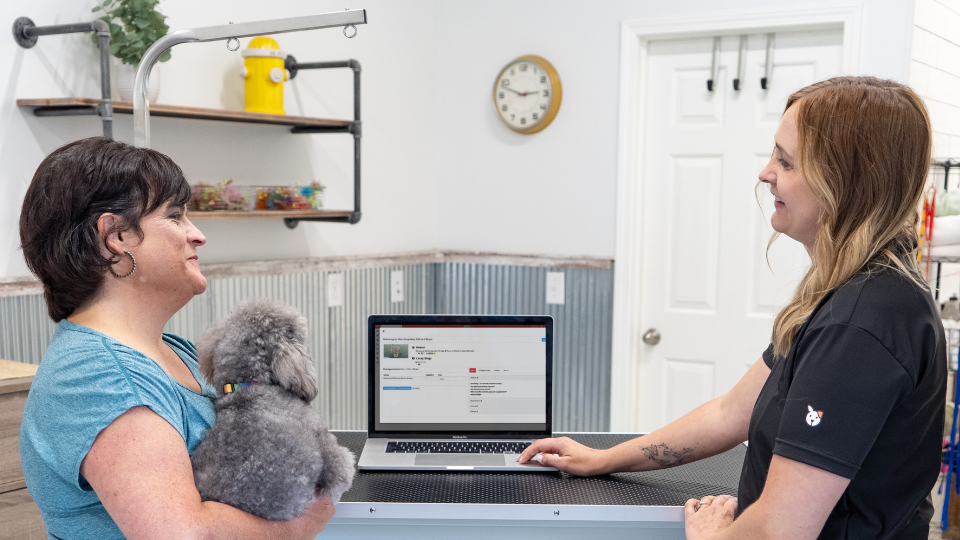
Rebooking dog grooming appointment shown by customer with poodle and dog groomer in front of computerBy Melissa Verplank, CMG

It’s hard to think about “Next Year” when your grooming operation is preparing to go into Holiday Rush mode. However, it’s a great time to remember what you might leaving on the proverbial table besides fur. You can take steps to boost your business during the slow times by promoting add-ons, rebooking, and incentivizing repeat business through loyalty and referral programs. Prepare now and you can beat the January business blahs!

ADD-ON Service Menu

 If you went to a restaurant and the server did not hand you a menu, how would you know what to order? Pet grooming is very similar. Pet Parents know they’re coming to you to get their dog cleaned up, but they probably don’t know all the Add-On services that you offer. Add-Ons that could help them keep their pet looking and feeling great.

A well-organized Add-Ons menu makes it easy for the client to select a service. As a bonus, it also makes it very easy for you discuss optional Add-Ons such as de-shedding treatments, shampoo upgrades, skin conditioning treatments, tooth brushing, nail filing, or other add-ons.

Rebooking on the Spot

Offering to schedule an appointment at checkout is the best way to get a client to rebook and pre-book. Develop a couple different scripts and use the one that best fits the needs of that client. For best results, use the tips below.

  • Ask every time. Think of fast-food chains. They ask you every time if you would like something else with your order – every time. When the client checks out, offer to rebook their next appointment to ensure their pet continues to look amazing.
  • For the busy or in demand pet stylist, reschedule a number of appointments at once or book the entire year. This will guarantee the client will get the premiere dates they are looking for.
  • In areas that are price sensitive, offer incentives. Maybe it’s a small discount off their next grooming if they book within six weeks or less. Or maybe you offer them free add-ons like tooth brushing or a spa package upgrade.  Better yet, offer something special for their pet such as a bag of cookies!  After all, they probably care more about what you are going to do to reward their pet, not necessarily the few bucks they will save.


Consider Creating a Loyalty Program

The Holiday visit is a great time to offer clients a “loyalty program” incentive for pre-booking future visits and/or referring their friends. If you haven’t developed a program, you can use the post-holiday lull to create a package for 2024 and then reach out to your customers to generate winter traffic.


  • Connect with a Customer Experience Message

Whether you contact a recent client via phone, e-mail, text message, or through groomer software automation, you can take this opportunity to check on their satisfaction at the same time as offering a loyalty program incentive.


  • Connect through Wake-Up Calls/Contacts

Actively call (or email, or message) clients that have not returned to the salon in 8-12 weeks. In this case, you may wish to offer them an incentive to schedule the next few grooms.


  • E-mail Blasts and Social Media Posts

This is a great way to market incentive details to existing clients. If you are going into a slow day or week, offer an incentive to get clients in the door for those days. The key is to stay top-of-mind early in the year and schedule out as far as you are able.


Partner with Pet Professionals

Have you created a referral network to generate new clients for your business? If you have, the year-end is a great time to offer a thoughtful thank you note or gift.

If you need to expand your network, look for ways to connect with the following professionals in your area:

  • vets
  • pet supply businesses
  • rescue organizations
  • trainers
  • pet sitters

Create or update a welcome package that your referral partners can hand out to potential clients. Participate in, support and cross-promote their events. They are more likely to refer and support you in return.

Put these strategies to work now for a thriving grooming operation in the New Year!


Need to add Groom Techs to your team through industry-leading guided groomer training? Start here. Want continuing education so you or your team can keep your skills sharp? Join Paragon’s Groominar Network™ and unlock a stream more than 1,200 video Groominars™ designed for every level of groomer.


I Want a “Puppy Cut”

“Give my dog a puppy cut.”

Ask 10 customers or groomers to describe this style and I bet you get 10 different answers. On one hand, it’s a great conversation starter! On the other, it’s a quick way to discover how easy it is to misunderstand one another.

The puppy cut is popular because it works well on a wide variety of pets.  Almost any breed that grows longer coat can be done in this easy-to-care for style. Yet, the puppy cut is also the most misunderstood haircut in grooming salons around the country. Why? There are no clear directions of what this trim actually is or how it should be done. It’s left up to individual personal interpretation by owners, groomers, or talented pet stylists.

The puppy cut started as a trim style for young Poodles in the dog show world. Once the puppy is a year old, it  is put into the elaborate adult haircut for the conformation ring. Today, the term “puppy cut” is used very loosely. It can apply to a wide variety of different breeds. It’s highly adaptable to any size of dog or coat type.

Many owners love this style of trim – and with good reason. It’s cute, easy to care for, and easy for customers to remember by name. In this trim, the dog does not drag in dirt and debris from outdoors. Their ears don’t drag in the food or water dish. The need for brushing between grooming appointments is minimized. On smaller pets, bathing between grooming appointments is a breeze. What’s not to love?

So what is it?

Essentially, the puppy cut is one length all over. The most common length is between 1-2 inches over the body, legs, tail, head, and ears. Typically, it’s done with a clipper fitted with a long guard comb over the blade. There should not be any clipper marks, uneven coat, or sharp edges left in the fur. Next to a powerful clipper, high quality blenders are your best friends when doing this trim. Everything is soft and plush, like a fluffy puppy.

This is where things get tricky. In some circles the puppy cut can also be known as a teddy bear trim, summer cut, or kennel cut. I’ve even seen some salons turn their version of the trim into their “signature haircut.” Generally, the only things that change between these trims are the names and the length of coat.

It doesn’t stop there! Others associate the puppy cut with smooth-coated breeds like the Boxer, Pug, or Beagle. Basically, the idea is of a youthful, “puppyish” look.  Hence the name.

With all these interpretations, it’s easy to envision things differently. While that’s not a bad thing, not being clear on what the final look will be can definitely affect the result and your relationship with the customer. If an owner is requesting this trim for the first time, be prepared to discuss the trim in detail. DO NOT ASSUME YOU ARE BOTH ON THE SAME PAGE! Communication is the key to a happy customer.

Getting a clear understanding starts with a conversation. Spend a few minutes with the client and the pet before the customer leaves your salon.

Getting the conversation right starts with the 3 L’s:

Look – Use those precious moments as your clients walks in to observe the pet. What do you see? These first impressions can be used to guide your conversation.

Lead – This is the time to ask for clarity.  Ask leading questions about each area of the pet (body, head, ears, legs/feet, and tail):

  • How do you want your pet to look? Smooth and sleek or fluffy and plush?
  • What is the pet’s lifestyle? Is he the life of the party or a designated lap dog?
  • How long should be coat be? Remember, “short” means something different to everyone. Be specific to be sure.
  • How should the head look? The head and face are a big part of the dog’s personality. Getting this part right is very important to your customer.

Listen – Listen for details and clues. The customer may not know grooming terminology – that’s one reason they rely on you. Interpret their observations and preferences so you can create a clear mental picture of style options.

Now that you’re clear about what the customer wants, it’s time to put your talent and experience to work. A skilled pet professional will know how to make minor changes to the trim that will enhance the pet’s appeal. If the coat is too tangled to do the longer trim, you’ll be able to suggest alternatives that work best for his current condition. You can then discuss ways the customer can work on the coat at home to make it possible to have a longer, fluffier look as the pet grows out.

Educating clients on proper pet hygiene is a valuable service most salons offer for free to their clients. In order to keep the dog looking its best, you can offer suggestions for maintaining this haircut between grooming appointments. At home brushing and bathing can make a big difference in how they look and smell, too. You can also make suggestions on how often the trim should be done based on the pet’s lifestyle and coat texture. Always remember, your clients are the lifeblood of your business. Taking a little extra time up front for a warm and welcoming pet consultation will go a long way toward building a solid relationship with them.

Try these tips and see if it helps you get closer to your client’s idea of a puppy cut… the first time!

Happy trimming!

Melissa

MVpaw_no_Inner_white

What’s YOUR idea of a puppy cut? Share some pictures on our Facebook page with your Melissa Verplank family.