
We work with pets because we are passionate about them. It’s simple: we love what we do. Yet it’s important to remember that every dog is an individual. Not only do they look different, they all have different physical and emotional characteristics. Different personalities.
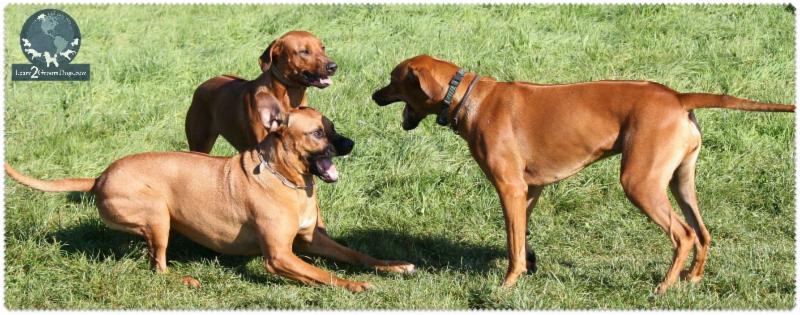 Some dogs receive clear directions from their owners. They have rules and boundaries at home. This makes them very easy to work with in a professional setting. Other pets will not be well-mannered in a professional setting. The personality quirks we all experience working with pets will vary from dog to dog.
- Many will be perfect angels
- Others will be mildly annoying
- Some will be potentially dangerous to work with for both the handler and the pet
Based on your level of pet interaction experience, you should be able to work through many of these personality quirks. Your commands to the pet need to be clear, concise, and consistent.
Dogs are primarily non-verbal communicators. However, they do have a very clear language of their own. It is up to us to interpret that language. The good news? Dogs are very clear in the messages that they give us.
I firmly believe that 98% of all dog bites are preventable. If you have read the pet correctly, getting bitten is highly avoidable. At times, you will need to take appropriate precautions to protect yourself. You need to gain control of the situation in a manner that is safe and respectful of the pet. It’s important to your career not to become injured. Remember, your hands are your livelihood.
Whenever working with pets, it is always critical to remember the 3 C’s. As a professional you must remain:
- calm
- cool
- collected
…at all times – in all circumstances.
There are many different types of dogs. Many will require special handling techniques. Plenty of groomers or stylists are good with all personalities. Others have honed their skills. They specialize in working with dogs with special needs such as puppies, geriatric dogs, or aggressive dogs.
 Here is a collection of basic dog postures we see every day. Every position indicates a different attitude. This is by no means everything you will need to know about “reading” dogs. If you are working professionally with them, this is just the tip of the iceberg.
You will need to gather loads of information about canine communication. By doing this, you’ll learn to work in harmony with dogs. When that happens, you’ll instantly feel the rewards. You’ll quickly learn how to respond to them in a non-verbal way.
By being knowledgeable in canine body language, you’ll keep both you and the pet safe at all times. The more time you spend studying dogs and working firsthand with them, the more proficient your skills will become.
Our number one responsibility to the pet and its owner is to always treat the pet with the utmost respect using humane handling practices.
Basic Body Language of the Pet
There are basic body positions that you need to recognize immediately when observing a pet. The eight basic positions have been illustrated for you below. Spend some time observing dogs so that you can instantly recognize these eight positions.
Non-Threatening Body Language:
- The Relaxed Stance
- Play Bow
- Submissive Body Position
These 3 indicate dogs that are safe to approach in a calm, gentle manner. These dogs are generally easy to work with and respond well to basic commands. Normally, an enthusiastic dog will need a little firmer command while a submissive dog will respond better to gentler techniques.
Use Caution When Approaching Body Language:
- Highly Submissive Postures
- Stressed Posture
- Alert Body Posture
- Defensive Body Position
- Offensive Body Position
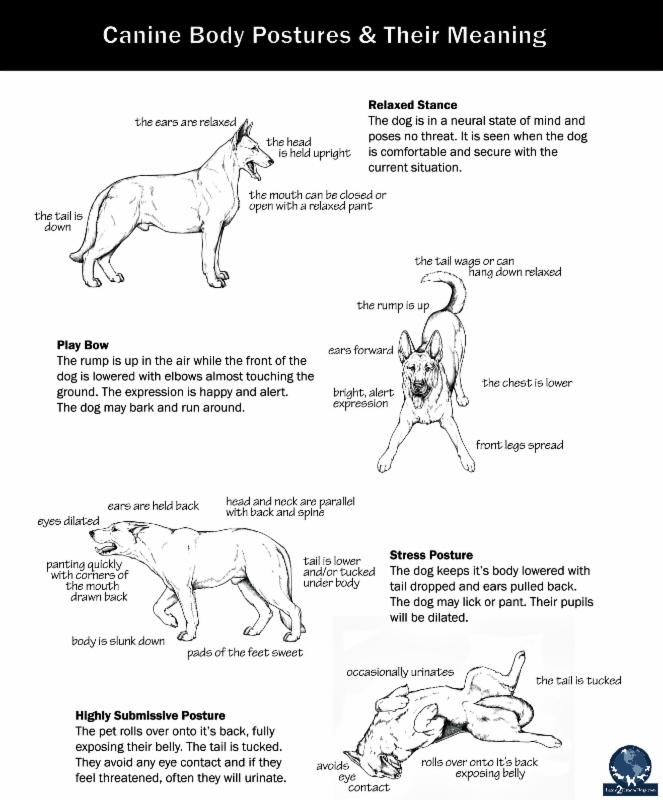
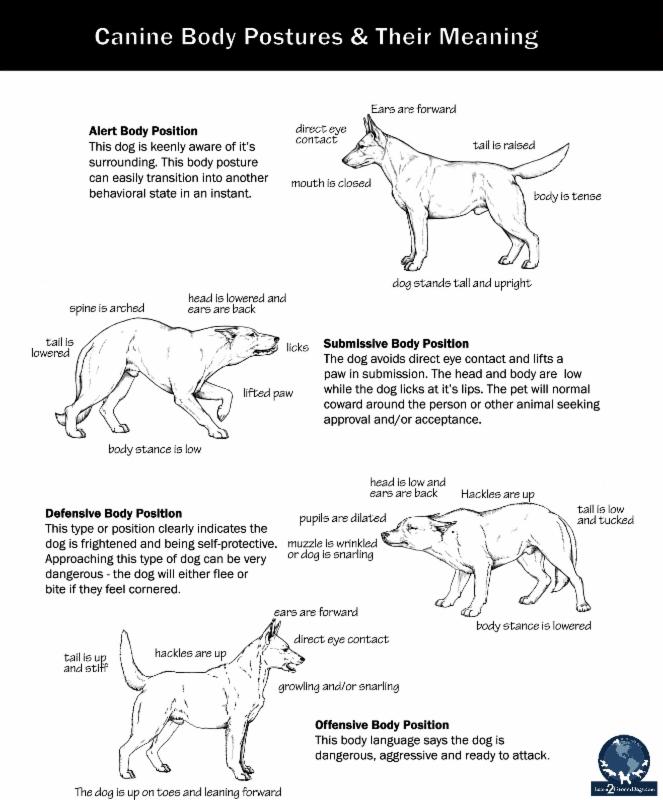
These positions indicate you need to approach with caution. Based on how you interact with them, they may feel comfortable and slip into a nonthreatening language. If they do that, it indicates they are safe to approach.
If they feel threatened in any way, they can easily slip into the flight or fight mode. This is their natural defense. If you have them tethered with a lead and not under control, this flip of personality could easily manifest into a very difficult situation. This is a pet that could attack, bite, urinate, defecate, or release its anal glands.
Working with pets is a highly rewarding career option. However, if you don’t truly understand canine body language, passion can quickly turn into frustration. Use your passion early in your career to learn everything you can about their body language. It’s an invaluable skill to have.
Did we miss anything? Jump over to the Learn2GroomDogs Facebook page and tell us. To read more on what can happen if you don’t pay attention to canine dog language, click here. You can even see a video on Learn2GroomDogs.com on this topic!
Happy trimming,
~Melissa
 I knew video content brought clarity to the learning process. We had seen it ourselves with our training program at the
  My jaw dropped. I knew I had found my answer.
 Marc LaFleur: Co-Founder, Assistant Educational Resource Director, Film Director & Cameraman


 After all the B&Bs are bathed, start bathing your trim dogs. Start with the pet that has the heaviest and straightest coat – something that can sit for a few minutes while you bathe your other dogs without risking the coat drying before you get to an active drying method. Let the dog sit in a warm place wrapped in a towel. No need to have air or a dryer on – just plenty of oversized towels with clips. This “wrap a pet” works best after you have thoroughly towel dried the dog.
 For most breeds, the goal is to remove kinks and curls in the coat. Some form of active drying is the only way to straighten the coat while adding lift and volume. On all but the curliest coats, the power from the warm airflow will lift, separate, and straighten the hair shaft for you when used correctly. A few of the curliest coats might benefit from fluff drying with a warmer dryer combined with brushing to get the coat really straight.
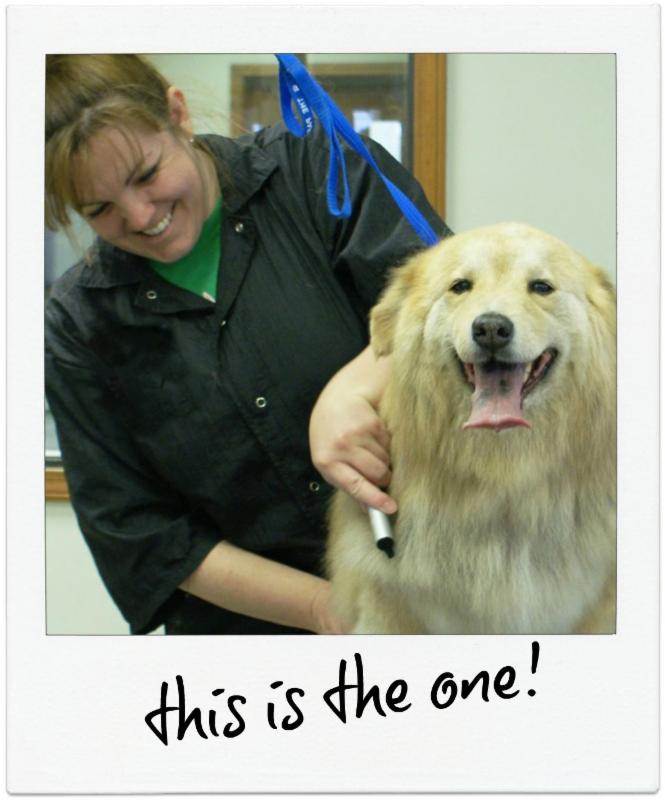 If yours is like most grooming salons, it’s next to impossible to hire the ready-made job applicant. It’s rare to find that person who will be everything you need, right away. Even if you do find great candidates, it’s still going to take work to bring them up to speed. To bring them in line with the way YOU do things in your business. To teach them your culture.
 Observe how they work. Even with the most basic tasks like answering phones or washing dogs, many new hires need to be gently coached. Even if their skill level is weak, if they have the right attitude, you will be able to train them quickly. But you have to understand where they are in their current level of training. And the only way to learn that is by having them demonstrate their work.
 If you’re going to work 2000+ hours per year, don’t you want to be doing something you are passionate about? In a place you enjoy? To be respected? Treated fairly? Providing a valuable service to clients? Of course you do. That’s what we all want.
 Goals & Standards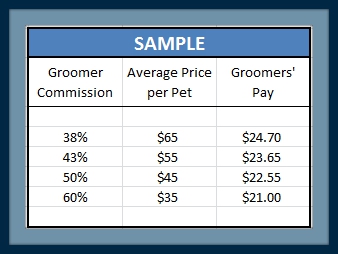

 My guess is many of you are struggling with a similar situation. Guess what? There is a solution to this problem – and we’ll get to that in a minute.
 If you are struggling with your payroll or running a profitable grooming business, I urge you to review your financial statements. If you struggle with understanding them, get help. The financial numbers do not lie. They are the barometer of your business.

 When I first opened
  The idea of licensing within the pet grooming industry is not a new one. I still remember the efforts of Gregory Krisp and Kathy Rose 20 years ago. They were backed by the late Sally Liddick and Barkleigh Productions. They formed the Groomer Licensing Founders Committee in 1996. They were on the forefront of the licensing issue in our industry. Unfortunately, they were way ahead of their time. Their efforts fell upon deaf ears.
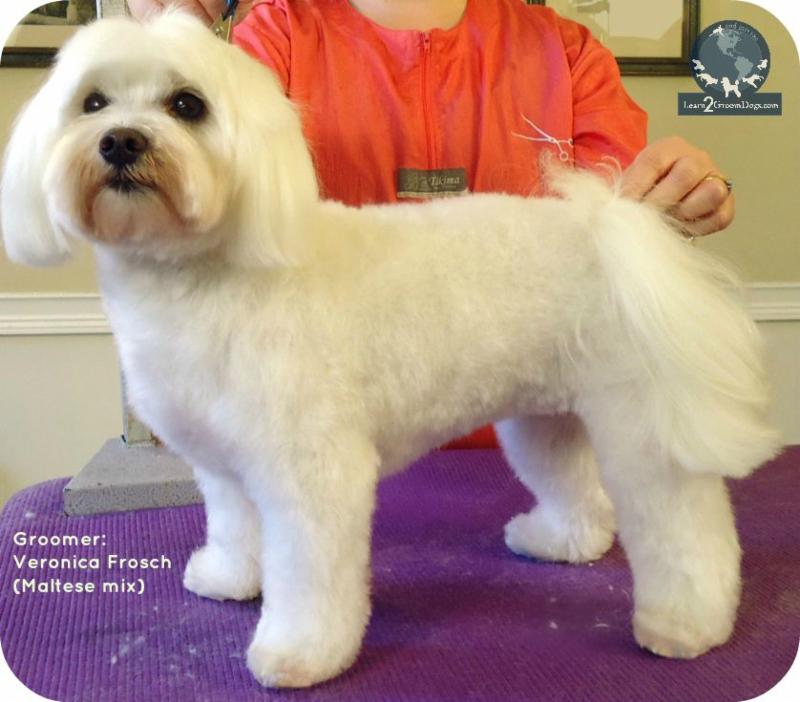 Don’t you love it when an owner walks into a salon and ask for this trim by name? They actually think this is a universal standard trim that all groomers and pet stylists should know how to do. When we start asking them questions, they get all huffy, thinking we don’t know how to do our jobs. Frustrating!! You and I know there isn’t a consistent right way to do a “puppy cut.” There are many – many variations!
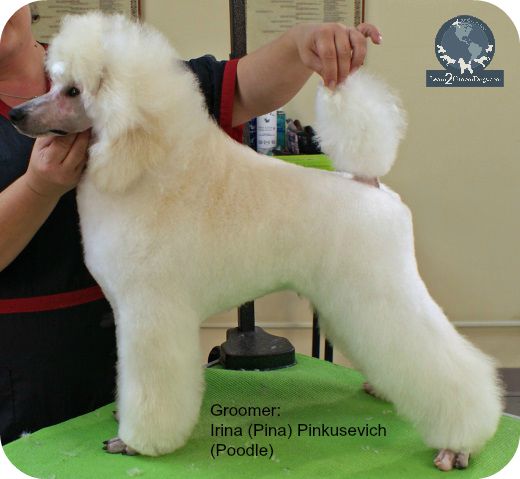 It’s important to keep this in mind, too: one person’s interpretation of a puppy cut might be that of a smooth-coated puppy. Think Boxer, Pug, or Beagle. Another person’s interpretation would be that of a fluffier breed like a Shih Tzu, Bichon, or Poodle. There’s also a big difference between a four-week old puppy and a ten-week old puppy in terms of coat growth.
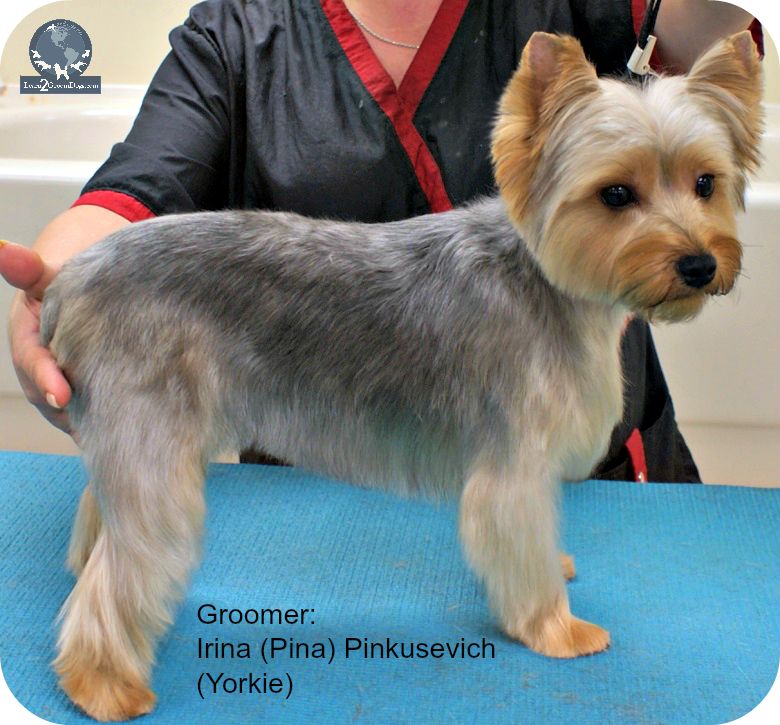 Here is a list of talking points when a new client request a “puppy cut.”
 Take charge of the conversation and win over your clients by using The Theory of Five!